Lately I’ve been reading up on Albert Ellis’s work as a psychotherapist and applying some of his therapeutic techniques to my own life and it got me thinking that many of his teachings can be applied to our relationship around food. For background, Albert Ellis was one of the most influential psychologists of the 20th century and is known mainly for creating Rational Emotive Behavioural Therapy or REBT, which is a therapy centred around disputing irrational beliefs. Ellis believed that as humans we consciously and unconsciously hold on to many irrational beliefs that we have picked up throughout our lives that cause us to feel needlessly anxious, depressed, enraged, guilty and shamed. He maintained that these strong negative emotions are all irrational and even unethical, because when we become so emotionally upset, we are being unethical and unfair to ourselves. He was a big fan of tough love and hard work towards changing our irrational beliefs into more rational, scientific ones which naturally reduce the frequency and intensity of our negative emotions and help us live calmer and more peaceful lives of self acceptance and love.
So how does any of this relate to our relationship with food? Well, I’m sure many of you have caused yourselves to feel down about what you’ve eaten or how much you’ve eaten or how you look as a result of what you’ve eaten. It’s common and it’s often shoved down our throat by the media on a daily basis. The Women and Equalities Committee in the UK recently published a survey which found that 61% of adults feel negatively about their bodies most of the time. We tend to beat ourselves up over how we look and what we eat based on our irrational beliefs that’s we need to look a certain way. Even though we know when we look at an image of a model in an ad, that it is likely photoshopped, posed to perfection, takes advantage of good lighting and whatever else, it’s still difficult to shut that voice up that says “I should look more like her.” This in turn, can lead us to become desperate to change our eating habits, perhaps going to extreme measures such as cutting out all sugar or going full keto or just saying to hell with food I’m going to live off diet shakes. The problem with these extreme diets is that they’re incredibly unsustainable. Afterall, it is unlikely that you’ll cut out these “problem” foods forever. Often, when we cut out a food and tell ourselves it’s forbidden, this only makes us want it more leading to a big indulging session followed by guilt, shame, anxiety or depression, surrounding our apparent failure. We don’t see in that moment that not being able to keep something up that is so unsustainable is by no means a failure, but just our body craving the foods that give it energy and make it strong. We don’t recognise our black and white thinking of either I eat 100% all healthy foods or I quit and start over again on Monday. We need to change our failure mindset around food and body image and accept ourselves the way we are whether we perceive ourselves as healthy or not. This doesn’t mean complacency, we can recognise the need to change and still accept and love ourselves, but the acceptance of oneself is the key to repairing a damaged relationship with food. This is at the core of Ellis’s teachings and this is what I’m going to discuss in this post.
Let’s Have a Conversation…
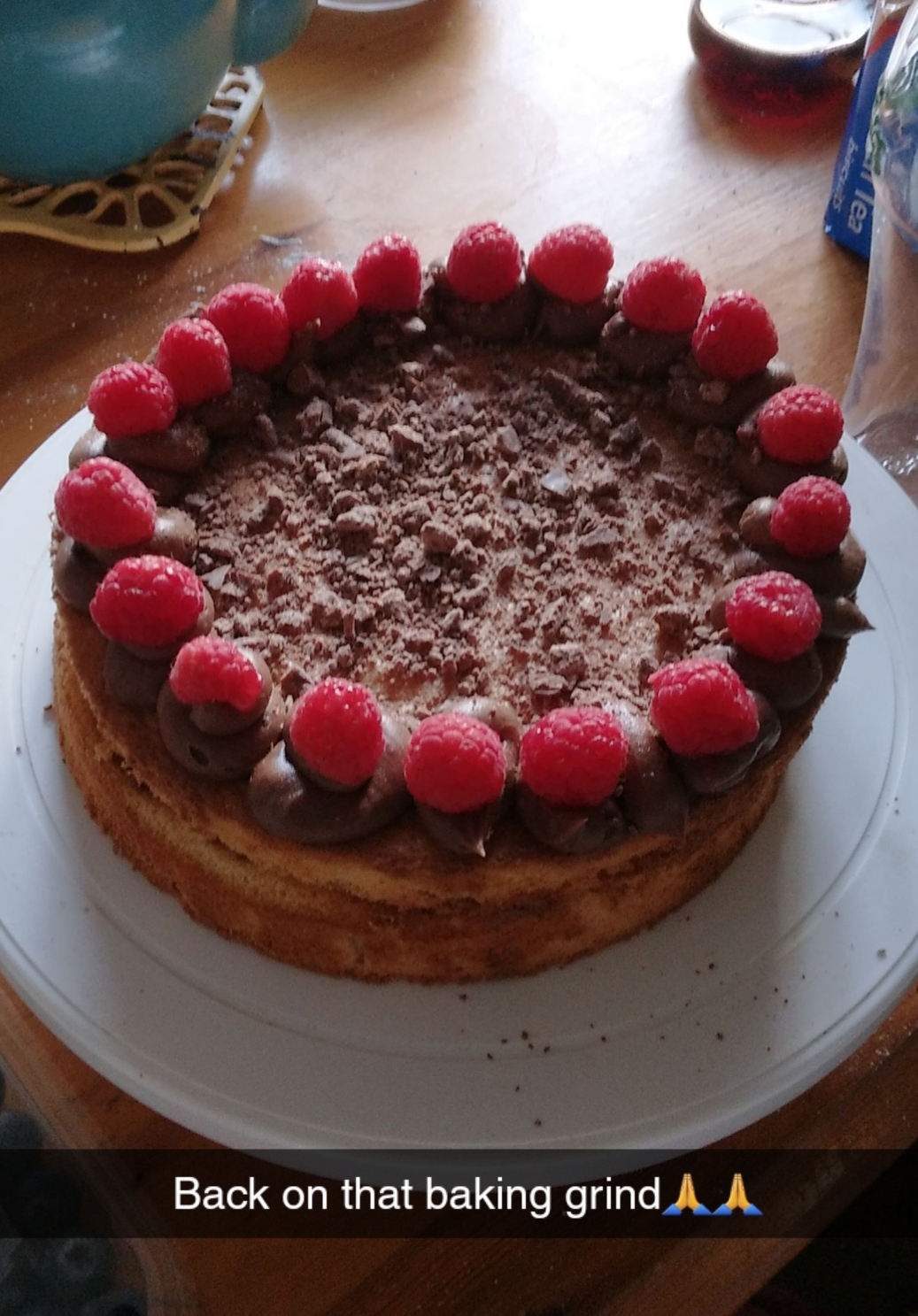
Imagine you’ve just eaten a slice of cake and then thought “damn I’ve had such a hard, stressful day today, I’m going to have another slice.” You eat a second slice and immediately guilt, shame, anxiety, self-downing or whatever it is, sets in and the negative self talk begins ~ “why did I do that, one slice would have been fine why would I have two I’m such a pig!” “God I’m such an undisciplined person, I can’t be healthy for one day, you put sugar in front of me and I just lose it! No wonder I look the way I do.”
Ellis believes that much of our distress comes from the belief that I MUST do well. We expect perfection out of ourselves and believe ourselves to be utter failures if we can’t achieve this. A perfectionist has this irrational belief in many aspects of their lives but often a large number of people have this perfectionistic perspective around diet as it’s been pushed on us from a young age and is literally perpetuated everywhere. As a self-diagnosed perfectionist I struggle with this irrationality in my college work, job performance, hobbies and many other areas and it’s one of the main things that fuels my anxiety. I work to overcome this perfectionism by doing things that are difficult or that I won’t do very well initially such as knitting or making boxes at work (I’m terrible at this for some reason). By teaching myself that doing things badly doesn’t make me a bad person or a failure through these continuous exposures, my brain learns to let go of this irrational perfectionism and although I initially feel quite stressed, in the long run I feel much better. This is one strategy that we can apply when it comes to diet. It can be difficult to swap rigid dieting for a more flexible approach, but by being a bit more flexible and allowing yourself to have a small amount of your favourite unhealthy snacks, you’re telling yourself that hey, eating healthy most of the time is cool but I also enjoy eating junk food and that’s ok and good. Junk food makes me happy in a different way than eating healthily does and there’s room for that too. We have to be flexible and willing to talk to our inner voice that tells us that perfectionism around diet is the only way. Afterall, you are not a Failure, you are a person who has failed at this one thing, and you have the power to change your approach to adopt a healthier and more manageable diet that suits your needs.
How to talk to that Inner Food Critic
Let’s say you’ve just eaten that cake and you now see yourself as a failure and undesirable, two traits that people often apply to themselves when they have a poor relationship with food and poor body image. Now, we have your Brain, which is speaking to you about what an awful person you are based on your internalised beliefs on what is a successful and desirable person, and we have You, yourself who is able to speak to your Brain and correct some of these silly thoughts.
Brain: How could you eat so much cake again? You can’t even resist a slice of cake. You have no willpower and that makes you a failure.
You: Yes I had some cake, it was delicious and I enjoyed it and I’m glad I did. I treated myself after a hard day and now I can go back to eating more whole foods. What a silly claim, how can I have no willpower if I just completed a hard and stressful day at work, which naturally requires a lot of willpower, that’s really stupid Brain. A failure? Over a slice of cake? How can I possibly listen to that when I look at all my other achievements? And how can I fail at diet? What is diet except what I eat and I can always eat something more nutritious for my next meal and accept that for this meal I had something really enjoyable and tasty even if it didn’t offer much nutritional benefit.
Brain: But cake makes you fat so you’ll never look like the models on Instagram!
You: There is no evidence to support that cake makes you fat. As part of a balanced diet, having some cake now and then isn’t going to have much of an effect on my body at all. Thank you for the input Brain, but you have no idea what you’re talking about! As for looking like the models on Instagram, many of the pictures are photoshopped, have amazing lighting, the models are sucking in and angling themselves, etc. It is quite likely that many of them look quite similar to me in real life and what they show on Instagram isn’t very realistic. As well as that, who says that I NEED to look like them? I look like me and at the end of the day I need to work on accepting that because there are other things of much greater importance in my life which I could be valuing more than how I look, such as my health.
When we learn to speak to our brain like this, we’re addressing the issue and challenging our internalised beliefs. This helps us adopt healthier and more rational beliefs which allow us to be more flexible with our diet and not totally overreact over a slice of cake. Now, eat that fucking slice of cake and enjoy it baby!
 NutritionWithMaidi