Rant About Health Influencers
When it comes to nutrition on social media, I think oftentimes there’s a large emphasis on macronutrients and in what your ratio of the macronutrients should be but micronutrients are often ignored, despite their incredible importance in maintaining good health. I’ve seen sooooo many people on Instagram offering meal plans and showing examples of what they eat in a day or how they meal prep and one thing that stands out to me is that often these meals contain little or no fruits, vegetables, nuts or seeds. They will often list the macronutrients and calories present in the meals too, placing the importance on calories and calorie ratios, while ignoring the micronutrient deficiencies in these meals. What I find a bit ironic is that these influencers selling these diet plans will often talk about how health is really important to them and the top reason that they workout and eat healthy is for their health and yet they ignore a massive part of nutrition when trying to sell you a nutritious meal plan? It doesn’t really make much sense to me. Personally, I think a lot of these influencers push the idea of health but really care much more about aesthetics. They will tell you that weight loss and looking a certain way isn’t their goal but is just a result of them prioritising their health, which is honestly kind of bullshitty. By only looking at macros and calories and working out a certain way you can tweak how your body will look but don’t pretend that health is the priority here, because it’s clearly to have a flat stomach with abs and a massive arse. One of my massive pet peeves is influencers being so “genuine”, as in they’ll show a bloated stomach every once in a while and be like “I’m just like you!” but then photoshop, post ridiculous meal plans with like 1200kcal/day, say that they walk 15,000 steps a day plus do cardio plus do resistance training while promoting “Health!” I’m like nooo!!! Like if this is the case they’re either mentally ill or lying to you, nobody should be doing that much training because you will get an injury and no one should be eating 1200kcal because you will be in starvation mode. The fact is that these people are trying to sell an aesthetic to you, not improve your health and wellbeing, which is a massive red flag when seeking out nutritional advice. The majority of these fitness and health influencers are not trained in nutrition or dietetics and therefore are not qualified to give you reliable and evidence-based advice. Of course, there are influencers out there who are trained and know what they are talking about but they are often more difficult to find as they don’t follow diet trends or flaunt their body and the bodies of their clients as a product, they simply rely on the science.
How to Tell When An Influencer Is Full Of Sh*t:
1: They only care about calories and macros –
Did you know that by law, a food product is allowed a 20% margin of error when calculating the calories in the food? This means that if a product says it has a certain amount of calories it could potentially have 20% more or less than what it says. This means that having a really rigid approach to calorie counting and macro ratios is not really the best method for determining whether your diet is healthy or not. If someone really knows their stuff they would be promoting a more flexible approach, where you can aim for certain targets, like 1800kcal/d for women, but this isn’t a do-or-die because there’s no way to be totally accurate about the calories that you are actually consuming. It’s also important to note that we often underestimate how many calories we eat in a day too (1). For these reasons, relying solely on calorie counting and macronutrient ratioing just doesn’t work as well as we’d often hope. Nutrition just isn’t that simple!
2. They’re trying to sell you something-
If someone is trying to sell you a pre-made meal plan or a super duper weight loss product or whatever else, you should be instantly suspicious of what they’re saying. If someone has something to sell, they’re going to push information that will hopefully get you to buy their product, even if the information is not evidence-backed. This isn’t to say that everyone who’s trying to sell something isn’t being genuine, because there are dietitians and nutritionists who make a living this way by selling personalised and evidence backed plans or evidence-based webinars or classes, but it is a cause to be a bit suspicious.
3. They’re trying to restrict you –
The evidence tends to show that a varied and balanced diet is the key to good nutrition and health. This is a diet that includes some of everything, with an emphasis on plant-based foods, as this is the best way to get in all of your essential nutrients. This also includes a little bit of soul foods like your favourite desserts or a Domino’s pizza every once in a while. Basically in simple terms, the healthiest diet is one that is inclusive, not exclusive. Anyone who is pushing no dairy, no gluten, keto, low fat or any of these other trendy diets is usually talking shite and won’t have much solid evidence to back what they’re saying. Have you ever watched those documentaries on Netflix that demonise all animal products? Ya they’re talking shite. One of my favourite facts that I learned from those was that broccoli has more protein per calorie than steak. What the creators of this documentary fail to explain is that you would have to eat a lot of broccoli to make up the calories in a portion of steak. Like you would have to have 20 cups of broccoli to get the same calories as a portion of steak. Not to mention the fact that the protein in steak contains more essential amino acids than the protein in broccoli so it is biologically superior. So no, you don’t need to cut out animal products to be healthy, or carbs, or fat or anything else. I’m not saying that you can’t be perfectly healthy on these diets, but I’m saying that there is no need to be on them to support your general health, and anyone who tells you otherwise is not being honest.
4. They’re following the latest trends –
If someone is telling you that turmeric is going to solve all your health issues, they’re lying. This also goes for superfoods like kale or quinoa or blueberries, which are obviously really good for you but so are a lotttt of other fruits and vegetables and grains. This also goes for special teas, herbs, spices, vaginal steams and anything else trendy that promises to solve every one of your health concerns. Your body just doesn’t work that simply and there usually isn’t one magical thing that will fix all your ailments.
In Conclusion
As long as there are health problems, body image issues and lack of nutritional education, there are going to be people attempting to profit off these things online so it is important to be able to sniff out those people giving bad advice. It may be a good idea to double check what an influencer is saying by researching their claims yourself from reliable sources like PubMed or by checking in with a dietitian or reputable nutritionist. Often if you message a dietitian or nutritionist online they’re happy to answer any of these questions because honestly, it’s so irritating to see so much misinformation floating around out there. If you do have genuine diet or health concerns, it may be worthwhile booking in with a doctor or dietitian to discuss these issues. I hope everyone found this helpful and I will talk soon!
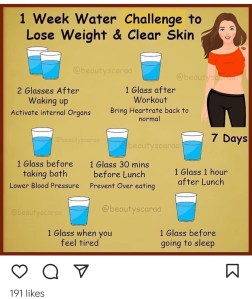
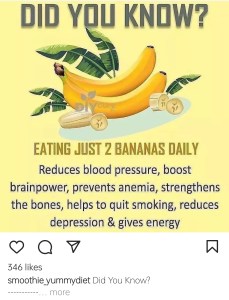
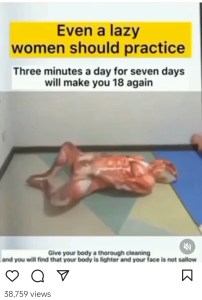
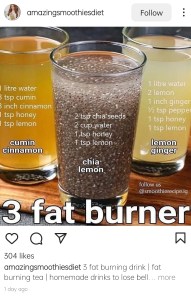
Collage of Shite Talkers:

References
1: Davidson, T.L., Jones, S., Roy, M., and Stevenson, R.J. (2019). The Cognitive Control of Eating and Body Weight: It’s More Than What You “Think”. Frontiers in Psychology. 10:62
 NutritionWithMaidi