Gut health research has come a long way in recent years and has become a popular topic of conversation in the medical community, the health industry and social media. This is because it has been shown time and time again that our microbiome, or the bacteria that grow in our gut, are linked in a big way to many facets of our health such as our immunity, our mental health and our ability to maintain a healthy weight. If we have a wide variety of good bacteria and a low number of bad bacteria, we tend to feel better and live healthier. With rises in the number of people with conditions linked to poor gut health such as irritable bowel syndrome, diverticulitis, Crohn’s disease and ulcerative colitis, as well as those just generally struggling with bloating, reflux, gasiness and other general complaints, it is understandable why this has become such a relevant topic. So how do plants help our little gut bugs? Let’s find out!
Prebiotics
Micro-organisms in our guts feed on prebiotics, also known as soluble fibre. Many people know fibre as the insoluble form that helps push food through our gut and helps prevent us from becoming constipated but the soluble form of fibre is just as important for our gut health as it provides nourishment for our microbiome. When the good bacteria in our gut consume soluble fibre, they produce short chain fatty acids which have been shown in research to be very beneficial and can potentially reduce a person’s likelihood of becoming diabetic and becoming obese as well as reducing inflammation. Plant foods are an excellent source of prebiotics, with fruit, veg, grains, seeds and nuts all working to improve gut health and digestive function.
Variety is key
When aiming to improve our gut health, it is important to consume a wide variety of plant foods as they all contain different forms of fibre which feed different species of good bacteria and we know that the more different species of good bacteria in the gut, the better our gut health will be. The Irish Nutrition and Dietetics Institute (INDI) suggests consuming 30 different plant foods a week as a general rule and even has a challenge advertised on their website which I will leave linked below. This can seem difficult if you are a picky eater or just don’t consume that many fruits and veggies but it can be fun to try out new foods that you’ve never tried before. I’ve been trying this challenge for several weeks now and I only tried a kiwi for the first time in my life last week and I’ve been going through packets of them ever since they’re delicious! You never know what you could be missing out on and I think it’s always fun to broaden our horizons so it’s definitely one diet challenge I would recommend.
Fibre Fuel
80% of Irish people do not consume enough fibre in their diet. It is recommended that we consume 24-35g of fibre daily, which is difficult to do if you aren’t consuming enough fruits and veggies. As I’ve already discussed, fibre is essential for our good bacteria to grow and provide us with the benefits of a healthy gut so if your aim is to heal your gut and reduce your symptoms, this is an excellent place to start! No fancy supplement is going to heal your gut like a diet full of the diverse soluble fibre that we obtain from plant foods so lets work on increasing those powerful plants!
I already ate half the salad before I remembered to take the picture but this is an example of plant variety with lettuce, tomatoes, sugar snaps as well as half a pepper in my quesadilla
The science of nutrition can often seem like it’s all over the place. One expert might tell you that meat is toxic and should be eliminated from your diet and another doctor might tell you that no you need meat for protein and vitamin B12, while a nutrition expert tells you that you can have white meat but too much processed red meat increases your risk of developing cancer. Then people following ketogenic and carnivore diets are saying that diets high in animal products will cure every issue you’ve ever had. Basically nutrition can often feel like a shitshow. Don’t get me wrong, there are plenty of people who are experts in nutrition and who are absolutely worth listening to but I recognise that it can be very hard to pick out who the experts are. One thing that I find helpful in breaking through this nutritional fog is following a mainly intuitive diet. Intuitive eating and having an intuitive diet basically involves both taking your food preferences into account and listening to your body and how it responds to what you eat. When we adopt a diet like this, it is easier to figure out what works for you and what doesn’t. Personally, I find that I will feel a lot better after eating a plate that is a mix of veggies, starchy foods and a small bit of meat than I would after eating a big mac. I’d feel fuller for longer, feel less sluggish and my stomach would be a lot happier, so based on knowing that a balanced meal would make me feel better, I would choose that if I was eating intuitively. In this post I will go over what I understand intuitive eating to be and how it helps me block out all the contradicting noise that comes from the nutrition community online, because afterall anyone can claim to be an expert online.
What is Intuitive Eating?
A common misconception when it comes to intuitive eating is that you just eat whatever you’re craving whenever but this isn’t really true. Intuitive eating is about relearning your body’s hunger cues and being able to distinguish between physical hunger that builds up over time or emotional hunger that occurs when we’re using food as a coping mechanism to deal with difficult emotions. It involves not putting eating off in an attempt to eat less or avoiding certain foods, but honoring our physical hunger by eating when we feel hungry and allowing ourselves to have the foods that we enjoy, while also taking into account how these foods will make the body feel. Intuitive eating is all about listening to and trusting our body. It’s about sitting with your food and really enjoying it, while also knowing your body’s fullness cues and honoring your body by not eating beyond that. When we have an unhealthy relationship with food, it can be really difficult to do these things but working towards these concepts is a brilliant place to start healing your relationship with food and diet. If emotional eating is something you struggle with, intuitive eating teaches us to look for other ways to cope with emotions, as this would honor ourselves more. This means replacing our food crutch with a soothing exercise like yoga, going for a walk, reading a book, doing a hobby you enjoy or chatting to a loved one, anything that makes you feel good. I do recognise that this can be really difficult if you struggle with mental health issues and often we need to work on confronting and changing the beliefs that fuel our specific mental health issues before we can really put our energy into adopting a more intuitive approach to eating. If you do have mental health issues holding you back from adopting healthy eating habits, I would recommend consulting with a professional in that area. In summary, it can be so helpful to listen to our bodies when it comes to learning what food makes us feel good and what food makes us feel bad and nine times out of ten those foods that make our bodies feel good are the ones that are good for us.
What if healthy foods are making me feel unwell?
Unfortunately, nutrition is not quite as simple as just eating intuitively for everyone, even if it is very helpful for most. One example is if people are used to consuming a diet quite low in fibre and then suddenly increase the amount of fibre they consume by a lot, this can cause them some gut issues like bloating, gas and pain. This is known as the fibre paradox, a phrase coined by Dr. Will Bulsiewicz, who is a gastroenterologist and is passionate about healing our gut through diet. The fibre paradox is basically when the gut microbiome lacks the microbes necessary to break down the fibre we consume, which causes gastrointestinal distress so we find it difficult to consume a lot of fibre, but the consumption of a lot of fibre is necessary to heal the gut so we should increase our fibre intake. So, although we feel bad it is still healthy to consume more fibre. Therefore, in this example it is better not to listen to your body and is better to listen to the doctor! Another example is if people have intolerance’s to certain foods. For example, if people with Irritable Bowel Syndrome or IBS listen to their body, they will end up cutting out a lot of food. It is recommended that for people with bad IBS that they do actually cut out these foods and follow a low FODMAP diet for a period of time, but they will eventually add foods back in in increasing sizes, which will likely cause pain and gas and bloating, but this is healthy as it is hoped that this will increase the sufferer’s tolerance towards certain foods. A final example comes from myself. Raw red onions make me soooo gassy and disgusting feeling if i eat too many but they are healthy and I do like the taste of them! If I eat them now I usually just eat a few mixed in with other foods but I actively avoid cheese and onion Taytos for this reason even though I like them and think they taste good.
Applying Gentle Nutrition
As well as listening to our body, it is important to apply what is known as gentle nutrition when practicing intuitive eating. So, on top of honouring our tastebuds with tasty food, we want to honour our body with healthy food. Basically the aim is to provide ourselves with healthy, tasty food. Gentle nutrition means not being a rigid perfectionist when it comes to diet and not adhering to food restrictions or following rules with what you eat. When we approach food with this rigid attitude, we end up beating ourselves up when we inevitably fail to follow our rules at all times, which is not what we want. Food should be a positive thing that adds to our life enjoyment by being tasty and providing good health, not a stressful thing that is unenjoyable. So firstly when implementing gentle nutrition, we want to pay attention to how food makes our body feel, which is what I addressed above. This just involves paying attention and having this guide your food choices. This doesn’t mean choosing the meal that makes us feel good every time, because we also enjoy a Big Mac sometimes and we want to reduce our rigid attitude, but in taking into account how certain foods make us feel we are more likely to choose the food that feels good.
Which brings me into my second point, which is that we want to be mindful when eating. We want to really appreciate what we eat and give our food the attention it deserves. This helps us enjoy our food more, notice how it makes us feel and also helps us to notice when we are feeling full so that we know when to stop eating. I’m definitely guilty of not doing this enough like I literally just ate an Aero Bar while writing this, but it’s about making an effort even for one meal a day just to get to know our body and how the food makes us feel.
Another point which is important when practicing gentle nutrition is to try and add variety to your diet and remember that we want to add foods, not take them away or be restrictive. We know certain foods like oily fish, nuts, seeds and veggies are healthy so we want to add these into our diets because we know they will make us feel good and we can make them tasty. Let me give you a scenario: If we adhere to a dieting mentality, we might have a low fat natural yogurt for breakfast with some strawberries. If we follow the gentle nutrition mindset, we want to add food not take away so we will have yogurt (full fat or low fat, whichever tastes better to you and whatever makes you feel good), we will have the strawberries, we might add a little bit of honey for flavour, a handful of mixed nuts for healthy fats and protein and we might have a slice of sour dough toast on the side with butter because we want to add some more fibre in there too which will help our gut bugs. Which meal sounds more satisfying to you? Which one would keep you fuller for longer? Which one would make you hungry in an hour and more likely to consume more energy dense snacks throughout the day? Which one sounds tastier? I’d hands down go for the gentle nutrition option because I’d enjoy the taste of it and feel good after it and on top of that, I would get a lot more good nutrition.
Intuitive eating and gentle nutrition is a topic that I’m really interested in as it seems to really take into account peoples needs in regards to their emotional state and their physical state while also placing an emphasis on a person’s personal tastes and preferences, which I think would be really healing for a lot of people. I personally love a holistic approach to nutrition and I feel like intuitive eating really encapsulates that. If you’d like some more information, I’d recommend looking up Colleen Christensen on Youtube. She’s a registered dietitian who has sooo much content on intuitive eating and examples of how she applies it to her life which is really helpful. I also like how Rachael Hartley talks about intuitive eating on Instagram, if you look up her name she should show up there.
I’ve made a few changes to my diet recently for a number of reasons. For a while I felt like I lost my passion for nutrition and the science around it all mainly due to studying it in a time pressured, competitive and stressful environment. When I stepped away from all that stress to do my work placement in Dingle, possibly one of the most peaceful places in Ireland, I felt like I had the space I needed to reframe my relationship with my diet and reconnect with why I wanted to study nutritional science in the first place. On top of that, I felt like when I was in college it was difficult to make good nutritional choices which I’m sure is something that a lot of people can relate to. I was always quite busy in college and when I had free time I was stressed, so I spent a lot of my free time watching t.v., knitting, playing video games or just chatting shite to my friends, which isn’t a bad thing but I definitely didn’t prioritise other things that would have made me feel less stressed and anxious over time like exercise, sleeping at a decent hour or making myself proper meals. I think it’s all about balance, in our free time we can do things that we enjoy that’ll make us feel better quickly but we also need to work on adopting healthy habits that can lower our stress levels gradually over time (1). This is another reason that I decided that changes needed to be made to my diet and food choices. I needed to move from choosing convenient food options to choosing ones that would better support my health, mentally and physically. So, recognising that changes needed to be made, this is what I have been doing to forge a better overall diet for the last few months.
Focused on Improving my Nutritional and Psychological Education
Although I learn a lot of nutritional science in college (naturally) and also a little bit of psychology, I never really learned how to apply a lot of the information to my life. Personally, my experience of university is that I’ve learned a lot on the theory and sciences but not a lot on the practical application of all the knowledge I had gained so this was something that I really needed to improve on. I mention psychology as well as nutrition because I believe they are very interconnected in the way that forming good nutritional practices involves creating healthy habits, which often involves a basic understanding of psychology and also it’s important to note that nutrition and a lack of certain vitamins and minerals has been shown to negatively affect our moods (2). I also wanted to learn more about nutrition because I felt like I could be doing better with my diet and I needed more information on what I needed to do and how I would do it. One way I did that was I listened to a LOT of podcasts. Like a lot of podcasts. This was fairly easy for me to do as my job is making ice cream from scratch by hand, so I spent a large chunk of time cracking eggs, chopping strawberries, sticking labels on things and doing other repetitive tasks so listening to podcasts in work while doing these things was pretty easy and I learned soooo much. It’s important to note though that there are a lot of people out there who talk about nutrition who literally have no idea what they’re talking about, so it can be easy to get the wrong information. One way of avoiding this is by only listening to podcasts by registered professionals, as they will usually provide evidence based information, backed up by science and include information on what they have seen work for clients or research participants. For example, two of my favourite nutrition and health focused podcasts are Leanne Ward Nutrition, which is run by a registered dietitian, and The Food Medic Podcast, which is run by a registered doctor and qualified nutritionist. Another way of getting quality information is by putting time aside to read more books. Again, when it comes to nutrition and health it can be easy to get crappy information from pt’s who fancy themselves as nutritionists or self help gurus. This is why it’s important to stick to the professionals who have studied these areas. If you want information on diet, your information should come from a qualified nutritionist or dietitian who can back up what they’re saying through cited research and the same goes for self-help, the most reliable information is from qualified psychologists and professionals who have been in the industry for years and are experienced in these areas. I’ve learned a lot about psychology lately by reading more books and some of my favourites are How To Refuse To Be Miserable About Anything Ever by Albert Ellis and The Subtle Art of Not Giving A Fuck by Mark Manson. Education is important because we need a place to start from and we need to know that what we do will serve our needs.
More Plant-Based Foods
So a lot of the learning I’ve done this summer has been on the gut microbiome, or the miro-organisms that grow in our gut. We know that there are good microbes and bad microbes and we know that diversity, or having a range of different microbe species in our gut is really good for our overall health and aids our immune system, our digestive system and even our brain (3). Gut dysbiosis, or an imbalance of the gut microbiome, has become really common in our society and leads to symptoms like excess gas, bloating, abdominal pain, diarrhea and constipation. There are a number of reasons for this but some of the most common ones are increased stress levels, a diet low in fibre and a diet high in ultra processed foods. I personally experience a lot of gas and random bouts of abdominal pain that can get so bad that it gives me heart palpitations sometimes (I don’t know how true this is but I read somewhere that palpitations can be caused by rising gas in your stomach but don’t quote me on that) so I decided I wanted to do something about it, knowing that changes in diet can have a very beneficial effect. Our gut microbiome really benefits from a diet high in different types of fibre, or prebiotics, which can be obtained by consuming a wide variety of plant foods such as fruits, vegetables, grains, nuts, seeds, spices and herbs. I have massively increased the amount of plant foods I eat for this reason. I’ve gone from probably having like on average 3 servings of plant foods a day to having around 5-6 daily which has been really good for my belly. It is recommended that for optimum gut health, we should aim to consume 30 different types of plant foods per week as the research has shown that individuals who do this have the greatest diversity of good microbes in their gut. This has been my target and honestly, it’s easier than you might think. If I actively go out of my way to include a few plant foods in every meal by sprinkling seeds on salads or porridge, having a smoothie or a soup, buying microwavable mixed grains and things like that it isn’t too difficult and it really does make you feel good. Although my aim was to diversify my gut microbiome, the benefits of all this added fibre must be mentioned too as consuming 30g of fibre a day reduces your risk of developing bowel cancer, breast cancer, heart disease and mortality of all chronic diseases which is crazy if you think about it when around 91% of British people and 95% of Americans don’t consume enough fibre (4,5,6).
Consuming Less Ultra-Processed Foods
I’ve been trying to cut back on the amount of ultra-processed foods I consume simply because they don’t provide much nutrition and I feel like I need to regain my love of cooking my own foods and enjoying the real natural flavours that come from that. During the last year in college, I relied a lot on pot noodles, ready-made Tesco meals, freezer pizzas and things like that and I snacked on too much high-sugar foods like biscuits and chocolate which kind of took away my appreciation of a good, hearty home cooked meal, which really tasted better and kept me fuller for longer as well as providing much better nutrition. Ultra-processed foods also tend to be high in sugar, salt and calories while providing little satiety so it’s really better to keep their consumption to a minimum because they aren’t doing much for us. I think when moving away from a reliance on these foods it can be difficult to know where to start, especially when you don’t have a lot of spare time on your hands. I’ve found it helpful to have a few basic recipes and ingredients around that I can pull together very quickly. One example is eggs on sour dough toast, which is quick and easy and I can add any veggies I have lying around. Sometimes I’ll mash tomatoes with some virgin olive oil and mix in some salt and pepper and throw that on top or sometimes I’ll fry some mushrooms with it or just add a load of salad leaves on the side and throw some seeds on top. Also, avocado on toast is a classic here. Another one is porridge. Just get your oats and whatever milk you like, toss it in the microwave and add in whatever you have like cinnamon, a bit of honey, frozen berries, a banana, seeds, a spoon of Nutella if you’re feeling cheeky and voila easy breakfast (or lunch as I have done once or twice when I had zero food). Another thing I have done to help with this is follow a load of people on Instagram who post recipes all the time. I recently found Nicole Osinga on Instagram, who is a dietitian and she posts so many easy and cheap plant-based recipes that you could easily add meat to if you wanted to. She’s also really good for meal prepping which is something I have not mastered yet but which would be very beneficial!
Eating More Food and Not Feeling Weird About It
At the moment I work a very physically demanding job while also working 25 minutes to the production site and 25 minutes home. I’m on my feet all day and my day can include lifting 25kg bags of sugar, 20L tubs of milk, 10L bottles of water on each hand and 42 cartons of 2.5L creams. This has meant that my body needs more food in order to be able to function properly and have the energy to do this amount of work which has caused a massive increase in appetite. I usually wouldn’t have the biggest appetite and often used to have like 2 meals and a snack a day but now I need my three meals and two snacks just to satisfy my appetite and my meals are bigger too. Like I used to maybe have a bowl of granola and a banana for breakfast but now I have on a typical day a big fat bowl of porridge with a banana, flaxseeds, cinnamon and a bit of honey as well as a bowl of full fat natural yogurt mixed with frozen mixed berries. And that is nothing to be ashamed about! I think women can often be made to feel weird about the amount of food they’re eating but realistically if I had continued to eat the way I did with the amount of activity I’m doing now, I would have lost a load of weight which could potentially lead to hormonal issues, I would have definitely been a cranky bitch to be around because I would be so hungry all the time and I would have been exhausted. It’s so important to learn to listen to your body and to know that if you’re going from being pretty sedentary to being quite active and building muscle, you definitely need more food. I’ve learned not to compare my diet to anyone else’s because my “What I Eat In A Day!” suits my needs and I know from all that I have learned that it is healthy. I know where I can improve upon my diet and I will continue to do so but that is my journey and my journey alone so comparisons to anyone else’s would just be silly.
When our lifestyle shifts, it can be beneficial to take a look at our diet and see what we can change for the better for our health and wellness. I hoped this helped. 🙂
One of my lovely thrown together meals of salmon, toast with tomato, salt and pepper, random bits of cheese and a few mixed salad leaves with seeds and dried cranberries sprinkled on top as well as the Eddie Rocket’s Cajun Sauce (delicious)
Links
Głąbska D, Guzek D, Groele B, Gutkowska K. Fruit and Vegetable Intake and Mental Health in Adults: A Systematic Review. Nutrients. 2020 Jan 1;12(1):115. doi: 10.3390/nu12010115. PMID: 31906271; PMCID: PMC7019743.
Li Y, Lv MR, Wei YJ, Sun L, Zhang JX, Zhang HG, Li B. Dietary patterns and depression risk: A meta-analysis. Psychiatry Res. 2017 Jul;253:373-382. doi: 10.1016/j.psychres.2017.04.020. Epub 2017 Apr 11. PMID: 28431261.
Martin CR, Osadchiy V, Kalani A, Mayer EA. The Brain-Gut-Microbiome Axis. Cell Mol Gastroenterol Hepatol. 2018 Apr 12;6(2):133-148. doi: 10.1016/j.jcmgh.2018.04.003. PMID: 30023410; PMCID: PMC6047317.
Aune D, Chan DS, Lau R, Vieira R, Greenwood DC, Kampman E, Norat T. Dietary fibre, whole grains, and risk of colorectal cancer: systematic review and dose-response meta-analysis of prospective studies. BMJ. 2011 Nov 10;343:d6617. doi: 10.1136/bmj.d6617. PMID: 22074852; PMCID: PMC3213242.
Chen S, Chen Y, Ma S, Zheng R, Zhao P, Zhang L, Liu Y, Yu Q, Deng Q, Zhang K. Dietary fibre intake and risk of breast cancer: A systematic review and meta-analysis of epidemiological studies. Oncotarget. 2016 Dec 6;7(49):80980-80989. doi: 10.18632/oncotarget.13140. PMID: 27829237; PMCID: PMC5348370.
Hajishafiee M, Saneei P, Benisi-Kohansal S, Esmaillzadeh A. Cereal fibre intake and risk of mortality from all causes, CVD, cancer and inflammatory diseases: a systematic review and meta-analysis of prospective cohort studies. Br J Nutr. 2016 Jul;116(2):343-52. doi: 10.1017/S0007114516001938. Epub 2016 May 19. PMID: 27193606.
Iron is one of those nutrients that we often hear spoken about in terms of deficiency, especially among young women. This is because women of child-bearing age menstruate every month meaning they lose a lot of blood, which is where iron is found and needed. According to Bord Bia, it is estimated that a massive 1 in 3 women in Ireland have low iron stores with 1 in 30 experiencing iron deficiency anaemia, meaning their iron stores are depleted to the level that their red blood cells are struggling to transport oxygen efficiently around their body. This can be a real issue for women as low iron can cause extreme fatigue, affecting a person’s ability to work, study, do physical activities and just go about daily life. Other issues associated with iron deficiency anaemia and low iron levels include shortness of breath and heart palpitations which can be disruptive and frightening when experienced. I do think some people from my experience, especially as younger women, can be quite dismissive about their low iron levels and anaemia at times because I suppose they don’t see it as a big deal or as something that will cause them great harm so I think it’s important to highlight that studies have linked anaemia to infertility (1) as well as a weakening of the heart (2). Another thing that is important to note is that damage caused to the body by low iron levels is reversible by increasing our iron stores in our body, which leads me into my top evidence-based ways to increase iron levels in your diet.
1. Eat more iron-rich foods!:
Ok so this is an obvious one, but I think it’s important to highlight some iron-rich foods which you can include or increase in your diet. I think one of the most well known and arguably one of the best sources of iron in the diet is red meats such as beef, pork and lamb. In fact offal, or animal organs like kidneys or hearts, are an incredible source of haem, or easily digestible iron. I understand though that offal isn’t exactly to everyone’s taste, and that’s ok too but if you do struggle with getting enough iron, you may consider trying a steak and kidney pie or grinding up liver into a bolognese. If you find that idea repulsive, regular red meat is also quite high in haem iron and can be easily consumed in a variety of ways including in sandwiches, as part of a dinner, as part of a charcuterie board or even just to snack on. It is important to note that processed meats such as bacon, ham and salami are a type 1 carcinogen and so the consumption of these should be limited to 70g or less per day (3). Seafood and poultry are also good sources of haem iron but do not contain quite as much as red meats. Some plant foods like beans, peas, nuts, seeds, dried fruit and soy are also good sources of iron, but they contain non-haem iron, or iron which is more difficult for the body to absorb.
2. Consume vitamin C-rich foods with iron-rich foods to increase absorption
Since plant-based sources of iron can be difficult for the body to absorb, it can be beneficial to pair food sources of iron with food sources of vitamin C, which is utilised by the body to aid iron absorption. Vitamin C is found in most fruit and vegetables, including citrus fruits, strawberries, tomatoes, broccoli, cauliflower, peppers and potatoes. In fact, despite not having as much vitamin C as other fruits and vegetables, potatoes are our number 1 source of vitamin C in Ireland, as we consume so many of them. So when creating iron-boosting meals, we should work to pair an iron food with a vitamin C food. Examples include a beef stew with carrots and onions, a lentil soup with carrots, leeks and parsley, a small fry with sausages, fried tomatoes and mushrooms, a handful of nuts with an orange or some strawberries and porridge with seeds with mixed berries thrown on top.
3. Avoid drinking tea, coffee or wine until one hour has passed after your meal
All of these plant-based beverages contain compounds known as tannins, which can inhibit the body’s absorption of iron, stopping you from getting as much as you need. If you’re a regular coffee drinker (or tea drinker like myself) then it is best to leave a window of at least an hour after your meals before consuming these drinks to allow your body to absorb as much iron as possible. Herbal teas like lemon and ginger (my personal favourite), chamomile, peppermint and echinacea contain little or no tannins so if you are craving a cosy drink after a meal, maybe try switching to one of these instead.
4. Be aware of other compounds that can inhibit iron absorption
There are certain compounds in foods which have been shown in research to have an inhibiting effect on iron absorption. One example is oxalic acid, which is found in spinach, rhubarb, chard and beans which can bind to iron in the body, not allowing it to be absorbed. Phytic acid, which is found in nuts, seeds and legumes has a similar effect. Other examples include whey, casein proteins and soy protein. These compounds all have an inhibiting effect on the absorption of non-haem iron only, which is why for those struggling with low iron levels, it may be very beneficial to include some animal meat sources.
5. Supplements
If you are a vegan or vegetarian who is not consuming any haem iron in their diet and is struggling to get enough iron, it may be advisable to look into taking an iron supplement. It is also important to note that some people just have a more difficult time absorbing iron than other people, due to medical issues or just their body finding it hard, and no matter how much iron they’re consuming are still struggling with low iron stores. These people are typically prescribed an iron supplement by their doctor. In general, most people don’t really need a supplement unless they have a restricted diet, like vegans and vegetarians, or their body doesn’t absorb iron well for whatever reason. Often we can increase our iron levels by making dietary changes which is the recommended course of action. By taking small steps to include more vitamin C rich fruit and veggies with your iron-rich animal foods, you can slowly increase your iron stores without the need of a supplement, while also getting all the other good nutrients contained within those foods.
This post is by no means a replacement for medical advice by a qualified doctor or dietitian. If you are experiencing the symptoms associated with low iron levels or iron deficiency anaemia, it is important to visit your GP so that they can give you personalised advice relating to your situation and your needs.
Links:
1: Li YQ, Cao XX, Bai B, Zhang JN, Wang MQ, Zhang YH. Severe iron deficiency is associated with a reduced conception rate in female rats. Gynecol Obstet Invest. 2014;77(1):19-23. doi: 10.1159/000355112. Epub 2013 Oct 15. PMID: 24134949.
2: Hegde N, Rich MW, Gayomali C. The cardiomyopathy of iron deficiency. Tex Heart Inst J. 2006;33(3):340-4. PMID: 17041692; PMCID: PMC1592266.
When it comes to nutrition on social media, I think oftentimes there’s a large emphasis on macronutrients and in what your ratio of the macronutrients should be but micronutrients are often ignored, despite their incredible importance in maintaining good health. I’ve seen sooooo many people on Instagram offering meal plans and showing examples of what they eat in a day or how they meal prep and one thing that stands out to me is that often these meals contain little or no fruits, vegetables, nuts or seeds. They will often list the macronutrients and calories present in the meals too, placing the importance on calories and calorie ratios, while ignoring the micronutrient deficiencies in these meals. What I find a bit ironic is that these influencers selling these diet plans will often talk about how health is really important to them and the top reason that they workout and eat healthy is for their health and yet they ignore a massive part of nutrition when trying to sell you a nutritious meal plan? It doesn’t really make much sense to me. Personally, I think a lot of these influencers push the idea of health but really care much more about aesthetics. They will tell you that weight loss and looking a certain way isn’t their goal but is just a result of them prioritising their health, which is honestly kind of bullshitty. By only looking at macros and calories and working out a certain way you can tweak how your body will look but don’t pretend that health is the priority here, because it’s clearly to have a flat stomach with abs and a massive arse. One of my massive pet peeves is influencers being so “genuine”, as in they’ll show a bloated stomach every once in a while and be like “I’m just like you!” but then photoshop, post ridiculous meal plans with like 1200kcal/day, say that they walk 15,000 steps a day plus do cardio plus do resistance training while promoting “Health!” I’m like nooo!!! Like if this is the case they’re either mentally ill or lying to you, nobody should be doing that much training because you will get an injury and no one should be eating 1200kcal because you will be in starvation mode. The fact is that these people are trying to sell an aesthetic to you, not improve your health and wellbeing, which is a massive red flag when seeking out nutritional advice. The majority of these fitness and health influencers are not trained in nutrition or dietetics and therefore are not qualified to give you reliable and evidence-based advice. Of course, there are influencers out there who are trained and know what they are talking about but they are often more difficult to find as they don’t follow diet trends or flaunt their body and the bodies of their clients as a product, they simply rely on the science.
How to Tell When An Influencer Is Full Of Sh*t:
1: They only care about calories and macros –
Did you know that by law, a food product is allowed a 20% margin of error when calculating the calories in the food? This means that if a product says it has a certain amount of calories it could potentially have 20% more or less than what it says. This means that having a really rigid approach to calorie counting and macro ratios is not really the best method for determining whether your diet is healthy or not. If someone really knows their stuff they would be promoting a more flexible approach, where you can aim for certain targets, like 1800kcal/d for women, but this isn’t a do-or-die because there’s no way to be totally accurate about the calories that you are actually consuming. It’s also important to note that we often underestimate how many calories we eat in a day too (1). For these reasons, relying solely on calorie counting and macronutrient ratioing just doesn’t work as well as we’d often hope. Nutrition just isn’t that simple!
2.They’re trying to sell you something-
If someone is trying to sell you a pre-made meal plan or a super duper weight loss product or whatever else, you should be instantly suspicious of what they’re saying. If someone has something to sell, they’re going to push information that will hopefully get you to buy their product, even if the information is not evidence-backed. This isn’t to say that everyone who’s trying to sell something isn’t being genuine, because there are dietitians and nutritionists who make a living this way by selling personalised and evidence backed plans or evidence-based webinars or classes, but it is a cause to be a bit suspicious.
3. They’re trying to restrict you –
The evidence tends to show that a varied and balanced diet is the key to good nutrition and health. This is a diet that includes some of everything, with an emphasis on plant-based foods, as this is the best way to get in all of your essential nutrients. This also includes a little bit of soul foods like your favourite desserts or a Domino’s pizza every once in a while. Basically in simple terms, the healthiest diet is one that is inclusive, not exclusive. Anyone who is pushing no dairy, no gluten, keto, low fat or any of these other trendy diets is usually talking shite and won’t have much solid evidence to back what they’re saying. Have you ever watched those documentaries on Netflix that demonise all animal products? Ya they’re talking shite. One of my favourite facts that I learned from those was that broccoli has more protein per calorie than steak. What the creators of this documentary fail to explain is that you would have to eat a lot of broccoli to make up the calories in a portion of steak. Like you would have to have 20 cups of broccoli to get the same calories as a portion of steak. Not to mention the fact that the protein in steak contains more essential amino acids than the protein in broccoli so it is biologically superior. So no, you don’t need to cut out animal products to be healthy, or carbs, or fat or anything else. I’m not saying that you can’t be perfectly healthy on these diets, but I’m saying that there is no need to be on them to support your general health, and anyone who tells you otherwise is not being honest.
4. They’re following the latest trends –
If someone is telling you that turmeric is going to solve all your health issues, they’re lying. This also goes for superfoods like kale or quinoa or blueberries, which are obviously really good for you but so are a lotttt of other fruits and vegetables and grains. This also goes for special teas, herbs, spices, vaginal steams and anything else trendy that promises to solve every one of your health concerns. Your body just doesn’t work that simply and there usually isn’t one magical thing that will fix all your ailments.
In Conclusion
As long as there are health problems, body image issues and lack of nutritional education, there are going to be people attempting to profit off these things online so it is important to be able to sniff out those people giving bad advice. It may be a good idea to double check what an influencer is saying by researching their claims yourself from reliable sources like PubMed or by checking in with a dietitian or reputable nutritionist. Often if you message a dietitian or nutritionist online they’re happy to answer any of these questions because honestly, it’s so irritating to see so much misinformation floating around out there. If you do have genuine diet or health concerns, it may be worthwhile booking in with a doctor or dietitian to discuss these issues. I hope everyone found this helpful and I will talk soon!
Collage of Shite Talkers:
Drink water to turn on your organs in the morning
Why smoke when you can eat 2 bananas?
Ah yes, the healthy reason to lose weight
Idk what the fuck this is
That chia drink looks delicious
References
1: Davidson, T.L., Jones, S., Roy, M., and Stevenson, R.J. (2019). The Cognitive Control of Eating and Body Weight: It’s More Than What You “Think”. Frontiers in Psychology. 10:62
Lately I’ve been reading up on Albert Ellis’s work as a psychotherapist and applying some of his therapeutic techniques to my own life and it got me thinking that many of his teachings can be applied to our relationship around food. For background, Albert Ellis was one of the most influential psychologists of the 20th century and is known mainly for creating Rational Emotive Behavioural Therapy or REBT, which is a therapy centred around disputing irrational beliefs. Ellis believed that as humans we consciously and unconsciously hold on to many irrational beliefs that we have picked up throughout our lives that cause us to feel needlessly anxious, depressed, enraged, guilty and shamed. He maintained that these strong negative emotions are all irrational and even unethical, because when we become so emotionally upset, we are being unethical and unfair to ourselves. He was a big fan of tough love and hard work towards changing our irrational beliefs into more rational, scientific ones which naturally reduce the frequency and intensity of our negative emotions and help us live calmer and more peaceful lives of self acceptance and love.
So how does any of this relate to our relationship with food? Well, I’m sure many of you have caused yourselves to feel down about what you’ve eaten or how much you’ve eaten or how you look as a result of what you’ve eaten. It’s common and it’s often shoved down our throat by the media on a daily basis. The Women and Equalities Committee in the UK recently published a survey which found that 61% of adults feel negatively about their bodies most of the time. We tend to beat ourselves up over how we look and what we eat based on our irrational beliefs that’s we need to look a certain way. Even though we know when we look at an image of a model in an ad, that it is likely photoshopped, posed to perfection, takes advantage of good lighting and whatever else, it’s still difficult to shut that voice up that says “I should look more like her.” This in turn, can lead us to become desperate to change our eating habits, perhaps going to extreme measures such as cutting out all sugar or going full keto or just saying to hell with food I’m going to live off diet shakes. The problem with these extreme diets is that they’re incredibly unsustainable. Afterall, it is unlikely that you’ll cut out these “problem” foods forever. Often, when we cut out a food and tell ourselves it’s forbidden, this only makes us want it more leading to a big indulging session followed by guilt, shame, anxiety or depression, surrounding our apparent failure. We don’t see in that moment that not being able to keep something up that is so unsustainable is by no means a failure, but just our body craving the foods that give it energy and make it strong. We don’t recognise our black and white thinking of either I eat 100% all healthy foods or I quit and start over again on Monday. We need to change our failure mindset around food and body image and accept ourselves the way we are whether we perceive ourselves as healthy or not. This doesn’t mean complacency, we can recognise the need to change and still accept and love ourselves, but the acceptance of oneself is the key to repairing a damaged relationship with food. This is at the core of Ellis’s teachings and this is what I’m going to discuss in this post.
Let’s Have a Conversation…
Imagine you’ve just eaten a slice of cake and then thought “damn I’ve had such a hard, stressful day today, I’m going to have another slice.” You eat a second slice and immediately guilt, shame, anxiety, self-downing or whatever it is, sets in and the negative self talk begins ~ “why did I do that, one slice would have been fine why would I have two I’m such a pig!” “God I’m such an undisciplined person, I can’t be healthy for one day, you put sugar in front of me and I just lose it! No wonder I look the way I do.”
Ellis believes that much of our distress comes from the belief that I MUST do well. We expect perfection out of ourselves and believe ourselves to be utter failures if we can’t achieve this. A perfectionist has this irrational belief in many aspects of their lives but often a large number of people have this perfectionistic perspective around diet as it’s been pushed on us from a young age and is literally perpetuated everywhere. As a self-diagnosed perfectionist I struggle with this irrationality in my college work, job performance, hobbies and many other areas and it’s one of the main things that fuels my anxiety. I work to overcome this perfectionism by doing things that are difficult or that I won’t do very well initially such as knitting or making boxes at work (I’m terrible at this for some reason). By teaching myself that doing things badly doesn’t make me a bad person or a failure through these continuous exposures, my brain learns to let go of this irrational perfectionism and although I initially feel quite stressed, in the long run I feel much better. This is one strategy that we can apply when it comes to diet. It can be difficult to swap rigid dieting for a more flexible approach, but by being a bit more flexible and allowing yourself to have a small amount of your favourite unhealthy snacks, you’re telling yourself that hey, eating healthy most of the time is cool but I also enjoy eating junk food and that’s ok and good. Junk food makes me happy in a different way than eating healthily does and there’s room for that too. We have to be flexible and willing to talk to our inner voice that tells us that perfectionism around diet is the only way. Afterall, you are not a Failure, you are a person who has failed at this one thing, and you have the power to change your approach to adopt a healthier and more manageable diet that suits your needs.
How to talk to that Inner Food Critic
Let’s say you’ve just eaten that cake and you now see yourself as a failure and undesirable, two traits that people often apply to themselves when they have a poor relationship with food and poor body image. Now, we have your Brain, which is speaking to you about what an awful person you are based on your internalised beliefs on what is a successful and desirable person, and we have You, yourself who is able to speak to your Brain and correct some of these silly thoughts.
Brain: How could you eat so much cake again? You can’t even resist a slice of cake. You have no willpower and that makes you a failure.
You: Yes I had some cake, it was delicious and I enjoyed it and I’m glad I did. I treated myself after a hard day and now I can go back to eating more whole foods. What a silly claim, how can I have no willpower if I just completed a hard and stressful day at work, which naturally requires a lot of willpower, that’s really stupid Brain. A failure? Over a slice of cake? How can I possibly listen to that when I look at all my other achievements? And how can I fail at diet? What is diet except what I eat and I can always eat something more nutritious for my next meal and accept that for this meal I had something really enjoyable and tasty even if it didn’t offer much nutritional benefit.
Brain: But cake makes you fat so you’ll never look like the models on Instagram!
You: There is no evidence to support that cake makes you fat. As part of a balanced diet, having some cake now and then isn’t going to have much of an effect on my body at all. Thank you for the input Brain, but you have no idea what you’re talking about! As for looking like the models on Instagram, many of the pictures are photoshopped, have amazing lighting, the models are sucking in and angling themselves, etc. It is quite likely that many of them look quite similar to me in real life and what they show on Instagram isn’t very realistic. As well as that, who says that I NEED to look like them? I look like me and at the end of the day I need to work on accepting that because there are other things of much greater importance in my life which I could be valuing more than how I look, such as my health.
When we learn to speak to our brain like this, we’re addressing the issue and challenging our internalised beliefs. This helps us adopt healthier and more rational beliefs which allow us to be more flexible with our diet and not totally overreact over a slice of cake. Now, eat that fucking slice of cake and enjoy it baby!
Social media loves to push the idea of “healthy desserts” or desserts that are actually good for you because they contain less calories or you swap sugar for agave or sweetener or you add a heaped spoon of protein powder in place of some of the flour. My question is why can’t a dessert just be enjoyed as a dessert? Why do we have to healthify it? I would argue that a tasty dessert that we get a lot of enjoyment out of is an important part of our diet and can absolutely be enjoyed guilt-free in moderation. Often we can get so caught up in “clean eating” that we nearly feel ashamed if we eat something sweet that doesn’t align with the trendy healthy dessert standards. I remember one time I was craving something sweet and cakey so I made a mug cake that was on a fitness influencers Instagram with no sugar in it but it contained a spoon of Nutella and it literally just tasted like baked bread soda like it did not satisfy my cravings in the slightest. I think we need to move away from this idea that we can only enjoy a food if it’s “clean” because these “clean” desserts often honestly taste like shite compared to the real thing. If you well and truly enjoy these desserts then of course keep eating them there’s nothing wrong with that but we need to work on eliminating food guilt and shame because its incredibly damaging to our relationships with food and with ourselves. I would say we should move towards having that slice of real cake and really savouring every bite mindfully, to maximise enjoyment and satisfaction because life is short, we deserve it!
Are Healthy Desserts Even Healthy?
How many times have we seen an influencer online or a food business pushing their healthy alternative to our favourite desserts? I would say personally at least like 4 times a day which is kind of just annoying but it can also be quite harmful. I think a good example of a “clean” dessert is a protein ball. I think a lot of the time these are advertised as like more of an energy boosting snack but I’ve also seen them advertised as more of a healthy sweet and are sometimes advertised as “bliss balls” which is again, more sweet leaning rather than exercise snack leaning. I have no real beef with protein balls as they can be very useful if say you’ve done a really intense workout in the morning and you’re rushing to work and don’t have time to have a proper post workout meal or even I know they can be used sometimes to provide energy to underweight people like the elderly, because they’re so small and energy dense. But that’s the issue with protein balls being advertised as a healthy sweet, is that you could eat one and it wouldn’t really fill you up because of its size even though it’s quite high in calories. For example Good4U’s protein balls are 127 calories per ball which is slightly more than 1 Twix bar which is 120 calories. The thing with the protein balls though, are that there’s 3 of them in the packet so are you only going to eat one or are you going to eat all three? Like you can see how the calories can build up here. This isn’t to say that Twix is healthier because you’re obviously going to get more nutrition out of a protein ball but if you’re trying to lose weight and you’re munching on protein balls freely because they’re healthy you may need to take a closer look at the label. Again, if you enjoy protein balls, by all means enjoy them! It’s just important to remember that just because they’re a “clean” dessert doesn’t mean you should really have a massive portion of them regularly. Another example is any dessert that swaps sugar for honey or agave or sweetener. At the end of the day, honey and agave are still seen by the body as sugar so still need to be eaten in moderation and sweeteners have been shown to be bad for our gut health and cause dysbiosis of the gut microbiome so should also be enjoyed in moderation (1). Basically what we need to keep in mind is that if you want to enjoy a “healthy” dessert, we should treat it the same way as a normal dessert and enjoy it mindfully in moderation!
On to Sorbet vs. Ice Cream!
I’ve often seen people order sorbet over ice cream because it’s perceived to be healthier for a number of reasons. One, it contains water instead of cream and milk so has lower calories. Two, it’s vegan so it fits the whole vegan is healthier trend as well as the dairy is poison conspiracy that I addressed in one of my previous posts. Three, it has a fruity flavour so it seems like the healthier option. But is Sorbet actually good for us? Is it a health food? Let’s discuss!
I’ve mentioned in a previous post that I am currently working for Murphy’s Ice Cream, an artisan ice cream company that makes ice cream using the best quality ingredients with no artificial additives, preservatives or colourings. Our milk is organic, our ingredients are fresh (I literally crack like 1000 eggs a day for the ice cream so if that isn’t fresh I don’t know what is), and our ice cream is honestly amazing. For this post, I will be analysing Murphy’s Sea Salt Ice Cream vs. their Raspberry Sorbet, both of which were actually made by me!
Two delicious options
So, in terms of calories the ice cream definitely comes in higher than the sorbet with the ice cream having 153kcal/100ml and the sorbet having 87kcal/100ml. This is definitely a big difference so if the goal is weightloss the sorbet could be a better option. Fat is also definitely higher in the ice cream with 10.5g of fat per 100ml vs. 0.1g in the sorbet. If we look at the other nutrients though, we could argue that the ice cream is superior. It contains a lot more protein at 1.9g/100ml whereas the sorbet contains 0.2g. It also contains a lot less sugar at 11.8g/100ml vs. 21.4g in the sorbet. Ye should see the amount of sugar I put in the sorbet, my back would be in bits from lifting bags of sugar. If we were to analysis these two foods as health foods I would say if you are diabetic, sporty, or trying to gain weight, the ice cream may be a better option but if you are someone who is trying to loss weight or is obese, I would say the sorbet is the better option. Of course, these clearly aren’t health foods though and aren’t meant to be. So what I would really say is if you prefer the flavour of the sorbet choose that one and if you prefer the ice cream choose that one, enjoy it and move on! Moderation is key when it comes to a balanced diet and ice cream and/or sorbet can absolutely be included in that. We don’t need the “clean” ice cream or the “no sugar” sorbet, because honestly they just aren’t as nice and when the real version is this good, why wouldn’t we enjoy it!
Links
Suez J, Korem T, Zeevi D, Zilberman-Schapira G, Thaiss CA, Maza O, Israeli D, Zmora N, Gilad S, Weinberger A, Kuperman Y, Harmelin A, Kolodkin-Gal I, Shapiro H, Halpern Z, Segal E, Elinav E. Artificial sweeteners induce glucose intolerance by altering the gut microbiota. Nature. 2014 Oct 9;514(7521):181-6. doi: 10.1038/nature13793. Epub 2014 Sep 17. PMID: 25231862.
Me working at my current job making ice cream for Murphy’s Ice Cream, the best use for milk
I grew up on a dairy farm so when I see people bad mouthing milk I take it personally. Not really, I just think some of the arguments against dairy make no sense from a nutritional perspective and I want to talk about it. There is a lot of chatter these days about the adverse health effects of consuming milk and dairy products with many people claiming that milk is bad for your skin, causes inflammation, messes with gut health and causes heart disease, among many other issues. I recently watched a YouTube documentary that claimed that the health benefits of milk are exaggerated by “Big Milk” in order to convince the public to buy more milk and keep the industry profitable. Well lets delve into this and figure out if it is true or not!
In Ireland and the US, it is recommended that we consume 3 dairy portions daily with a standard portion being defined as a 200ml cup of milk, a 25g block of cheese or a 125g pot of yogurt. This is because dairy is an excellent source of both macro and micro nutrients, containing protein, fat, calcium, selenium, zinc, iodine, phosphorus, potassium, vitamin B12 and B2 and vitamin A. In terms of nutrition, milk is inarguably very good for us and gives us a wide range of nutrients that can be hard to find in other foods. Now taking this into account, I am going to debunk some milk myths I have recently seen floating around the internet.
Milk Myth Number 1: Milk has lots of lactose, which is a sugar so it is bad for us
Yes, milk contains sugar. According to popular Irish milk brand Avonmore, a standard portion of milk contains 9.4g of sugar, which is actually considered to be low, at least by our traffic light system which states that 5g or less of sugar is green or low in a 100 gram serving of food. In a 100ml serving of Avonmore milk there would be in and around 4.7g of sugar or lactose, so calling milk a high sugar drink would be very inaccurate. Unless you are lactose intolerant, the consumption of lactose in milk will do you absolutely no harm and is not something to worry about.
Milk Myth Number 2: Milk is only meant for babies and is bad for our digestion and gut
Yes, milk is designed specifically to provide babies with adequate nutrition before they are able to consume solid food but that doesn’t mean we can’t consume it if we so wish. Many people consider the consumption of milk after infanthood to be unnatural as the presence of lactase in our guts (the enzyme that breaks down lactose and allows us to digest milk) is only present through a genetic mutation. This mutation occurred in certain populations, mainly in Europe and Africa, as humans started to consume milk after infanthood, causing lactase to continue to be present in our guts so that we could continue to break down milk without experiencing digestive issues. If lactase is present in our guts and we find that milk causes us no digestive distress then I don’t see why we shouldn’t consume it. Afterall, it is nutritionally dense and our bodies have adapted to accept it so what is so bad about it? As well as this, fermented milk products such as yogurt and kefir have been shown to be beneficial to our gut microbiome and a healthy gut microbiome leads to better immunity and reduced inflammation. If you find that you are experiencing digestive issues and you do think milk could be a contributing factor, speak to your doctor or make an appointment with a registered dietitian as it may be the case that you do have a slight intolerance which can develop at any stage of life. It could also be possible that you could have undiagnosed Irritable Bowel Syndrome (IBS) as some people with IBS find that dairy can be triggering for their symptoms. On the whole though, if you experience no issues when consuming dairy then you can absolutely continue to consume and enjoy it!
Milk Myth Number 3: The Nutrients Found In Milk Are Found In Other Foods Too So We Shouldn’t Drink Milk Because We Don’t Need It
I honestly find this argument against milk a bit silly because you could say the same about any food. I could turn around and say you shouldn’t eat dark chocolate because even though it’s high in antioxidants, it is also high in saturated fats which will increase your risk of heart disease and you can get antioxidants from other healthier foods like blueberries anyway. The thing is, if you enjoy dark chocolate there is absolutely nothing wrong with including it in your diet in moderation. It should be in your diet for the simple fact that in moderation it will do you no harm and you enjoy it! In terms of milk, I would argue that if you can consume it and you would like to consume it, you absolutely should consume it because many people enjoy it and it has so many essential nutrients. One argument I saw claimed that you could get calcium from green vegetables like spinach instead which is true but spinach also contains something called oxalic acid which unfortunately inhibits the absorption of calcium. The calcium in milk however, is highly bioavailable meaning that milk is both high in calcium and the calcium is easily absorbed. If a person is trying to increase their body’s calcium uptake, milk and dairy products are a superior choice to other foods, simply for this reason. The same person also argued that the protein in milk could be replaced by the protein in tofu and beans which again, yes these foods contain protein but they have a lower biological value which means that they have less amino acids than dairy and other animal products. Milk has a biological value of 91%, meaning it contains most of our essential amino acids needed to keep the body functioning optimally but tofu only has a biological value of 64% and beans have even less at 58%. This means that these lower biological value foods would have to be paired with other foods that contain the essential amino acids that they are lacking, in order to receive a similar amount of essential amino acids to milk. Lastly, this person says that vitamin A can be sourced from pumpkin or kale instead, which again is true but this is a different form of vitamin A to that found in milk. The vitamin A found in milk is known as retinol, which is the active form of vitamin A whereas the vitamin A found in plant foods like pumpkin and kale is known as beta carotene, which is a provitamin A and is slightly more difficult to absorb by the body. So, the issue with claiming that we shouldn’t drink milk because the nutrients can be found elsewhere is that we would have to consume a wide range of foods in order to consume the same nutrients that we could easily gain from simply drinking a glass of milk and as well as this, the nutrients are often of a lower bioavailability. I would also say that another benefit of drinking milk is that it’s so versatile and can be used in so many different things, such as in sauces, in cereal, in different drinks such as smoothies and milkshakes, in baking and many many more so it really is an easy way to get a lot of essential nutrients into your diet. One could argue that you could just replace dairy milk with a plant based milk, which is true you definitely can but the issue with this is that many of these plant milks are mainly water based and contain very little actual nutrition. If you are looking for a plant-based alternative, I would recommend that you choose an option that is fortified with calcium and other nutrients in order to make up for the nutrients lost. It is also important to note that vitamin B12 is not found in plant sources and that if you choose not to consume dairy and you are also not consuming meat you should be taking a B12 supplement as low B12 levels can cause a form of anaemia which will negatively impact your health.
Milk Myth Number 4: Milk Will Give You A Heart Attack
“If you look at what’s in milk, it’s a recipe for a heart attack,” ~ Some researcher guy on youtube. Yes, milk contains saturated fat and yes, high levels of these in your diet will increase your risk of having a heart attack but it’s just not that simple. According to Avonmore, milk contains 4.4g of saturated fat per a 200ml serving which is considered high. This does not necessarily believe that drinking milk will cause you to have a heart attack. When we consider saturated fat, we must consider it as part of the whole food. Just because a food is high in saturated fat doesn’t mean it is bad for us, after all milk is also very nutrient dense making the consumption of it overall beneficial to our general health. It is also silly to say that the consumption of one food that is high in fat will give you a heart attack. When it comes to weight gain and the risk of heart disease, one must look at a person’s whole diet, not one food as the human body is just not that simple. In fact recent research suggests that including 3 portions of dairy to your diet can help with fat loss. A study in 2012, came to this conclusion, as did several others (1). This is likely due to the fact that foods high in fat and protein can have a satiating effect, i.e. make us feel fuller, which can lead to less snacking throughout the day as we feel more satisfied with the food that we have consumed and are less likely to crave more. Also there are plenty of low fat options on the market for milk and also cheese and butter so if a person did want to avoid the high levels of saturated fat and still consume dairy they easily could.
Milk Myth Number 5: Milk Causes Prostate Cancer
Okay I wouldn’t necessarily call this a milk myth but I would say that the evidence suggesting this is conflicting (2). By this I mean that there are studies that say that milk consumption is positively correlated to the development of prostate cancer or to the increased risk of dying when having prostate cancer, but there are also studies that contradict this. Some also say that it is the Western Diet that increases the risk of developing prostate cancer, which is high in dairy, but is also high in highly processed fatty, sugary and salty foods so in these studies we can’t necessarily point out dairy as the culprit. If you are at high risk of developing prostate cancer and you are concerned about your dairy intake, I would suggest speaking to your doctor where they may suggest lowering your intake, but for the general public the general consensus is that it is perfectly safe to consume dairy.
Links:
(1) Abargouei AS, Janghorbani M, Salehi-Marzijarani M, Esmaillzadeh A. Effect of dairy consumption on weight and body composition in adults: a systematic review and meta-analysis of randomized controlled clinical trials. Int J Obes (Lond). 2012 Dec;36(12):1485-93. doi: 10.1038/ijo.2011.269. Epub 2012 Jan 17. PMID: 22249225.
(2) Sargsyan A, Dubasi HB. Milk Consumption and Prostate Cancer: A Systematic Review. World J Mens Health. 2021 Jul;39(3):419-428. doi: 10.5534/wjmh.200051. Epub 2020 Jul 27. PMID: 32777868; PMCID: PMC8255404.
In my previous post I discussed some reasons why we may experience a poor relationship with food and diet and how our society and its views on the ideal body can really affect how we relate to food. In this post I’m going to discuss a therapeutic technique that is widely used to improve mood, change perspectives and encourage mental flexibility. Unconditional Acceptance is something that I apply to my life on a dailly basis to help manage my anxiety and any other strong emotions or thoughts that aren’t very useful to me. Unconditional Acceptance means fully accepting yourself, your life and the world, including the things you like and the things you don’t like. People can often get the wrong impression of acceptance in that they may perceive it as the easy way out and as complacency but this isn’t really what it is. Acceptance means seeing things rationally, away from your judgement of the situation and your feelings about the situation, just simply seeing it for what it is. Albert Ellis was one of the most influential psychologists of the 20th century and was argueably Acceptance’s biggest advocate. He believed that our thoughts and beliefs about a certain situation actually cause us much more distress than the situation itself and that simply accepting a situation for what it is in the moment, is the best thing we can do for ourselves to avoid becoming overly worked up. We as human beings tend to apply meaning to a situation thinking things like “because this happened… this must happen” or “because I did this… this should happen”. What Ellis teaches us is that “shoulds” and “musts” are often the root of emotional distress and that by reducing these words when thinking about our lives and our behaviours we will reduce our distress in any situation. So… how does this apply to food and diet? Allow me to demonstrate.
How Shoulds and Musts Can Make Our Relationships With Food Suffer Greatly
Let me outline a situation for you:
You’ve decided you’ve had enough of your bad eating habits and have decided to only eat what you perceive as healthy from now on. You wake up on Monday morning and are feeling motivated and ready to begin your new lifestyle. You have a 45g bowl of porridge with low fat milk, chopped banana and some flax seeds sprinkled on top as well as a cup of coffee. Brilliant, you’re off to a flying start! About an hour and a half later, you may be in work and starting to feel hungry again. Alright, you’ve prepared for this. You have an apple and maybe a handful of cashew nuts to keep you going until lunch time. At break time, you fancy a cup of coffee so you head to the break room. You make your coffee and you see someone has left a box of biscuits on the table. You’re ready for this, you say nope! I’m not having any biscuits, they’re bad and unhealthy and I’m on my new diet! You head back to your desk feeling a sense of pride that you have avoided having a biscuit despite the sugar cravings that you’re now dealing with. You start working again but the biscuits are in the back of your mind and you find yourself counting down the hours til lunch as maybe a healthy lunch will satisfy those cravings. At lunch time, you begin digging in to the salad you’ve prepared with fresh lettuce, tomatoes, cucumbers and a bit of dressing along with a strawberry yogurt for dessert. You finish eating and find that you’re not feeling fully satisfied but decide hey I’m on a new diet it’ll take time to adjust to all this healthy food. Next thing you know someone brings out a big chocolate cake for a coworker’s birthday. You contemplate what you’re going to do and decide you can’t be rude and take the slice offered to you. The cake is delicious and you mindlessly work your way through it while chatting to your coworkers. Suddenly a box of chocolates is passed your way and you take 2 or 3 without really thinking about it because they’re only small anyway. You get back to your desk after lunch and your belly is feeling full and satisfied but you can’t shake the guilt and shame that has started to creep up on you. Thoughts like “Why did I eat that cake, it’s so unhealthy and I was doing so well before then!” and “God I’m such a cow, on top of that big slice of cake I also had some chocolates, I’m so weak,” start swimming around your head and by the time you head home you’re feeling defeated and down on yourself, you just can’t stop thinking about how you indulged yourself! When at home your husband asks you if you’d like a takeaway and you decide that since you’ve ruined your diet already you may as well go for it. You’ll just have to start again tomorrow or next week!
Now there are several issues to this approach towards diet and healthy eating. First of all, the decision to only eat healthy food is quite a vague decision to make for several reasons. When people adopt this attitude towards food they tend to group foods into either the “good” category or the “bad” category but what is a good or bad food. People often class high calorie foods as bad even though foods like nuts are very calorie dense but are also rich in micronutrients as well as healthy fats that we need for heart and brain function. A person may then classify low calorie foods as good but a glazed donut is somewhat low in calories but is quite high in sugars and saturated fats, an excess of which can lead to type 2 diabetes. People often classify carbohydrate rich foods as bad but these are often rich in B vitamins needed for the functioning of the body’s metabolic processes as well as being sources of protein, fibre and an important source of energy. Alternatively, many people can classify high fat foods as bad but certain fatty foods are essential to good brain and heart health such as oily fish, nuts and seeds. Another issue with this is what about foods that contain “bad nutrients” as well as “good nutrients”. Should we refuse to eat a tuna sandwich because it is too high in fats and carbohydrates? Of course not! Add some salad on the side and you have a very balanced nutritional meal there that will really provide what your body needs to function well!
The second issue with this attitude is that the person has a rigid perspective towards diet where if she consumes something that she deems unhealthy, she feels guilt and shame over it. The attitude is that if she consumes one bad thing then her diet is ruined and she has really failed herself and she may as well just give up. She almost treats diet like a game where one slip up means game over, try again tomorrow! She feels as though she’s competing against herself and her cravings to stay on this strict dietary path where if she wins she obtains a more desirable body or better health outcomes. When it comes to our emotions, rigidity tends to get us nowhere. Thinking “I must do this diet perfectly to get the body that I want,” is really quite silly. Dietitians eat cake and sweets and remain healthy all the time, they just mindfully enjoy them in moderation and understand that indulging from time to time is perfectly healthy. This person must remember that she had a lovely nutritional breakfast, snack and lunch (Although the lunch could have used some more protein) but because she had cake she decided that there was no point having a nutritious dinner. Even then, she may have potentially consumed above the recommended calorie limited but she also got lots of healthy nutrients from her earlier meals and she should give herself credit for that instead of beating herself up for having cake in celebration of a colleague. When we accept the fact that not every meal or snack we have will be nutritious, but we can still live very healthy lifestyles, we can let go of some of that guilt and shame that really hold us back and leave us feeling defeated. This person should have the cake and make sure that she is very present with it, enjoying the flavours instead of eating it mindlessly so that maybe she won’t have such strong cravings later on as she will feel satisfied in her earlier enjoyment. If she had done this, she may have had motivation later on to cook up a healthy dinner with the help of her husband, and she could have even cooked up extra to use for lunch tomorrow, providing her with two nutritious meals.
When we are looking to alter our body and improve our health, a more helpful attitude can be eating to fuel our bodies. We take our bodies needs into account as well as our own. We could eat veggies to provide micronutrients for our eyes, our bones, our brains, our energy levels. We could eat healthy fats to provide energy and for our brains and hearts. We could eat protein rich foods such as eggs, dairy and meat for recovery and for muscle growth and we could eat brown bread/pasta/rice for fibre for our digestive systems. We can build meals around the nutrients we know we need to feel our best while also including some of our favourite foods we like to indulge in like chocolate and cake. We must accept that we are human and account for all our needs, including our needs for the foods that we enjoy most, in this way we are healthy.
Me enjoying a guilt-free beer in Paris on Saint Patrick’s Day
Food and diet is an area of great distress for many people, mainly due to the fact that people equate controlling our intake of food with controlling how we can make our bodies look. As humans, we have a desire to consistently improve ourselves, which is typically an amazing and very useful ability as this is what pushes us to do great things, but when we have the belief that skinner = greater or leaner = greater or indeed healthier = greater, this is where our relationship with food can become toxic. Society and the media love to push the idea that you should love yourself and you are perfect the way you are while simultaneously giving us confusing and ever changing views on what is desirable in a body. In recent years we have jumped from super skinny to curvy with a small waist to incredibly muscly, with all these body types having one thing in common: they are all quite difficult, and can often even be impossible, to obtain . In this post, I am going to discuss a few things that can cause us to have a poor relationship with food and diet and why chasing that ideal body is often fruitless.
What Can Cause Us To Have A Toxic Relationship With Food?
The Media
In my experience, a major cause of developing a toxic relationship with food is social media, as well as the media in general. I find it incredibly irritating and sometimes even harmful scrolling through social media and seeing one post talking about how you are perfect just the way you are and how you should love yourself no matter how you look followed by a photoshopped influencer promoting “weightloss teas!” (which are usually just glorified laxatives by the way), followed by my favourite meme accounts advertising “Sarah’s Discovery”. I don’t know if anyone has ever seen this but it’s a weightloss scam pushing diet pills and advertising fake before and after pictures of a woman with a dramatic weight loss apparently taken 10 days apart. There was a period where I saw Sarah’s Discovery advertised daily on Instagram and it started to annoy me so much I started reporting it for abuse which is something I wouldn’t usually do but I just found it so irritating.
Many individuals on the internet like to prey on our unhappiness with ourselves as it is an easy way to get clicks and money. Bodyweight happens to be something that makes many people unhappy so people will use this to their advantage to sell a product or idea, usually with little evidence supporting its legitimacy as a helpful tool for weightloss. The media is often guilty for exploiting this insecurity too, in particular the tabloids. Often times I’ll find myself on The Daily Mail’s snapchat page where they will regularly obsess over peoples bodies. Remember when Adele lost a significant amount of weight? There was a constant coverage of her just going about her business, maybe going for a stroll, doing the shopping where the tabloids captioned all the pictures of her “Adele shows off her 7 stone weight loss,” as if she wasn’t just doing everyday things that she would have been doing regardless of her weight. They’ll push the narrative that these celebrities have a secret for dramatic weightloss and we’ll keep going back reading their articles hoping to find out that secret as if she didn’t just progressively alter her lifestyle.
Seneca said “It is not the man who has too little, but the man who craves more, that is poor”. The media is essentially trying to tell us that we are missing something important, that important thing being the desirable body of the day which, when we accept this to be the case, makes us more likely to pay attention to everything they have to say about bodies and fitness and food and health. By convincing us that we are lacking, or poor, the media can make us desperate to obtain what we are missing, in this case the “perfect body”. This can cause us to obsess over our bodies and what we can do to be considered more desirable which usually comes down to diet and food. Alter your food intake and you alter your body is what we can end up living by to the extreme which is incredibly unhealthy and often does not foster the desired outcome.
Control
We live in an incredibly fast paced society, where hard work and stress is often praised and perceived laziness and passiveness is seen as deplorable. This mindset of constantly being wired and switched on can leave us feeling anxious, exhausted and desperate for control over our own lives. We often feel like work or school needs to be prioritised over me-time and we can’t relax until all our work is done. It isn’t uncommon for me to receive college emails at 12am at night which in my mind is crazy like please relax! This lack of control over our own lives can leave us desperately in search of some morsel of control that we can still hold on to, something certain. For a lot of people this is food. I have had a friend come to me on multiple occasions telling me that when she feels really anxious, food is like a safety blanket. For her this can come in the form of binging or in barely eating at all. She can binge on comfort food and then feel incredibly guilty and barely eat at all the next day or she can barely eat at all and feel as though she is in control of her diet. When she is eating less she feels like she at least appears to look good and put together to the world, when inside she feels like she’s crumbling under the pressure of everything. This of course also arises out of society’s emphasis on always being put together and that feeling bad or being imperfect is a failure of some sort. I can say for myself at least that although I know on a level that perfection is impossible and failure isn’t the end of the world, I often feel as though these things aren’t an option and I must always be at the top of my game, which of course causes a lot of stress and anxiety. Often fostering a better relationship with diet and food can involve learning to slow down and being willing to give up control in certain situations. We must acknowledge that complete control is often an illusion. Afterall, you can try really hard at something, put all the hours in and make many sacrifices and still end up failing because although we can increase the probability of a good outcome occuring, we can’t guarantee it. In terms of food, we can follow a strict diet and work out 6 days a week but this still doesn’t necessarily mean we can look like Kim Kardashian, even if we followed her routine exactly. At the end of the day, acceptance of who you are exactly the way you are as well as your situation in life is most important. We can work to change how we look and change our situation but accepting things the way they are for the moment and accepting the fact that we may not achieve exactly what we would like no matter how hard we work, is often essential to letting go of our stress and anxiety.
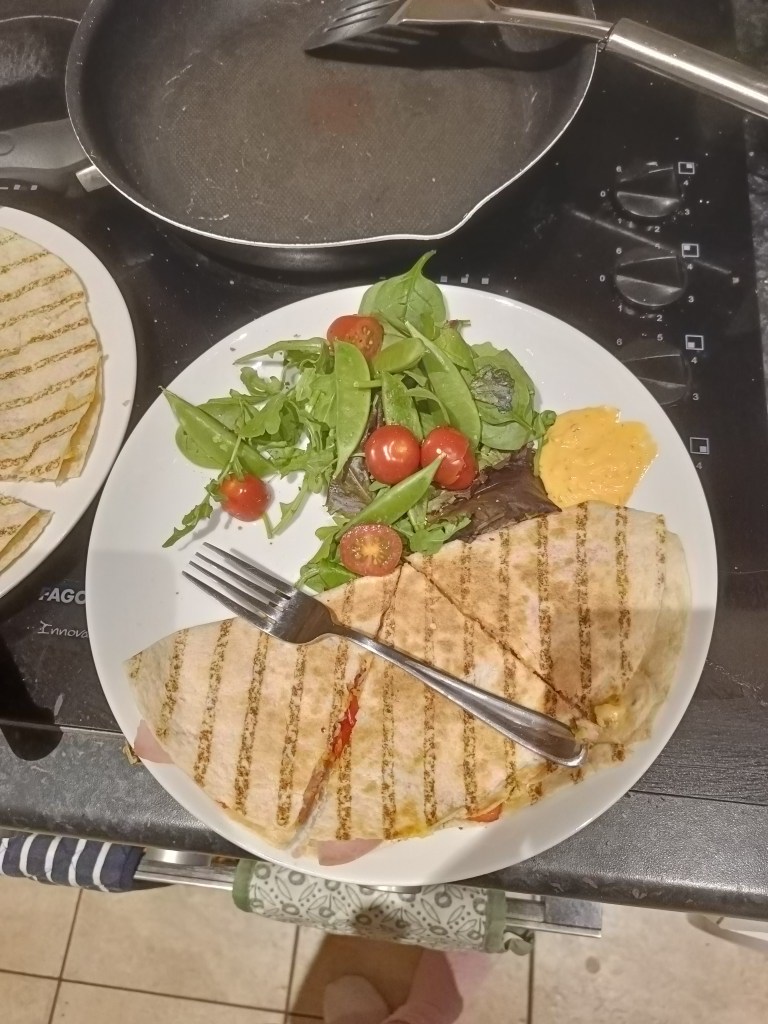
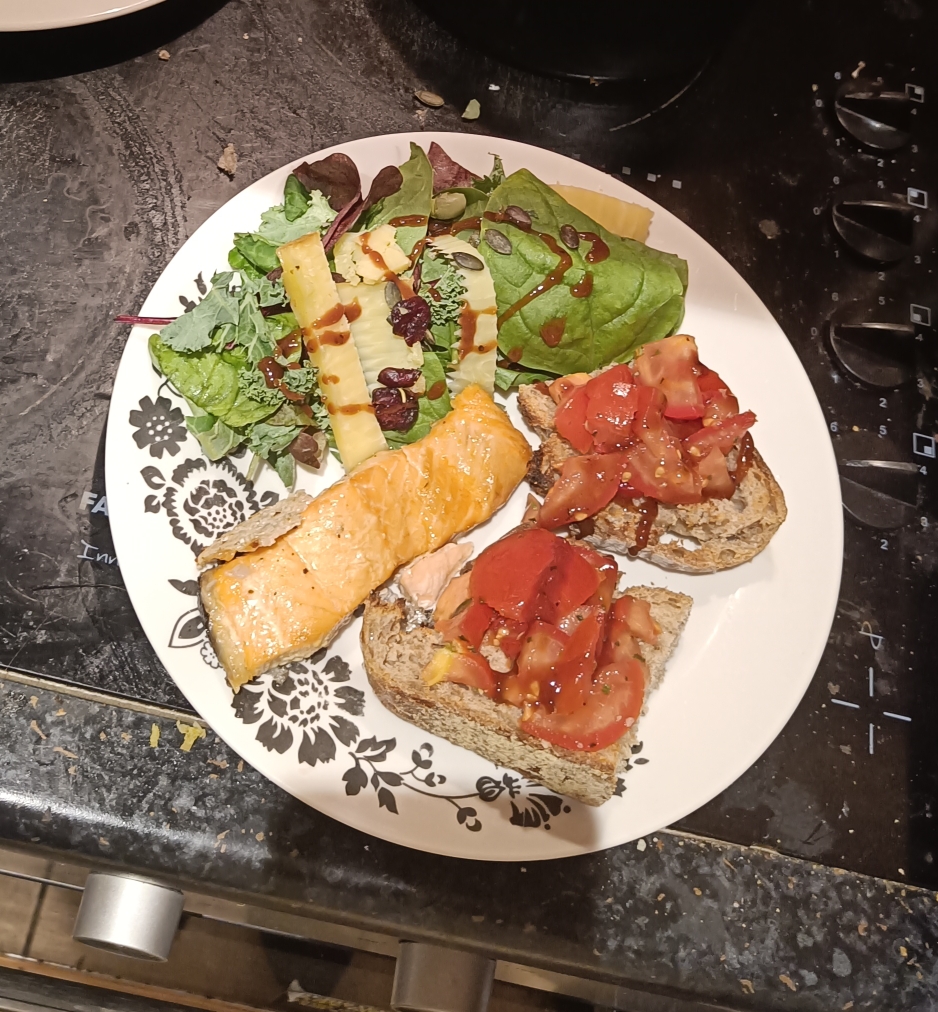

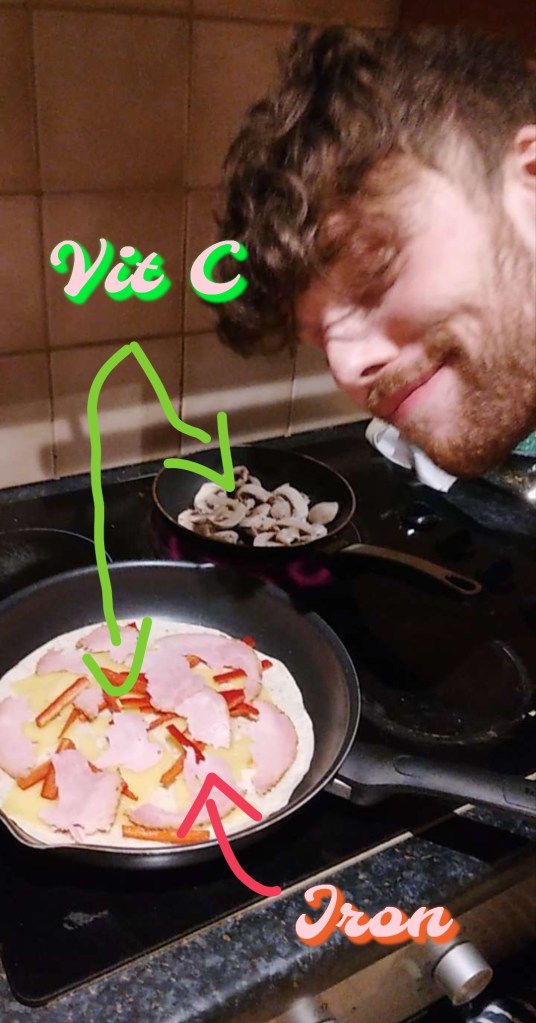
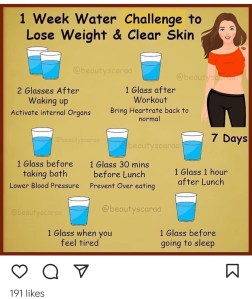
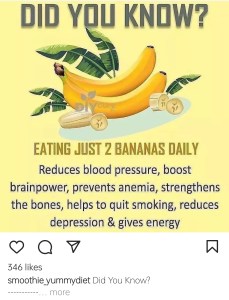

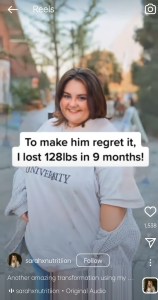

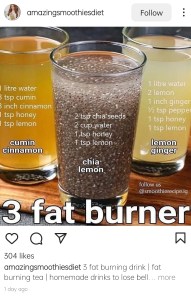




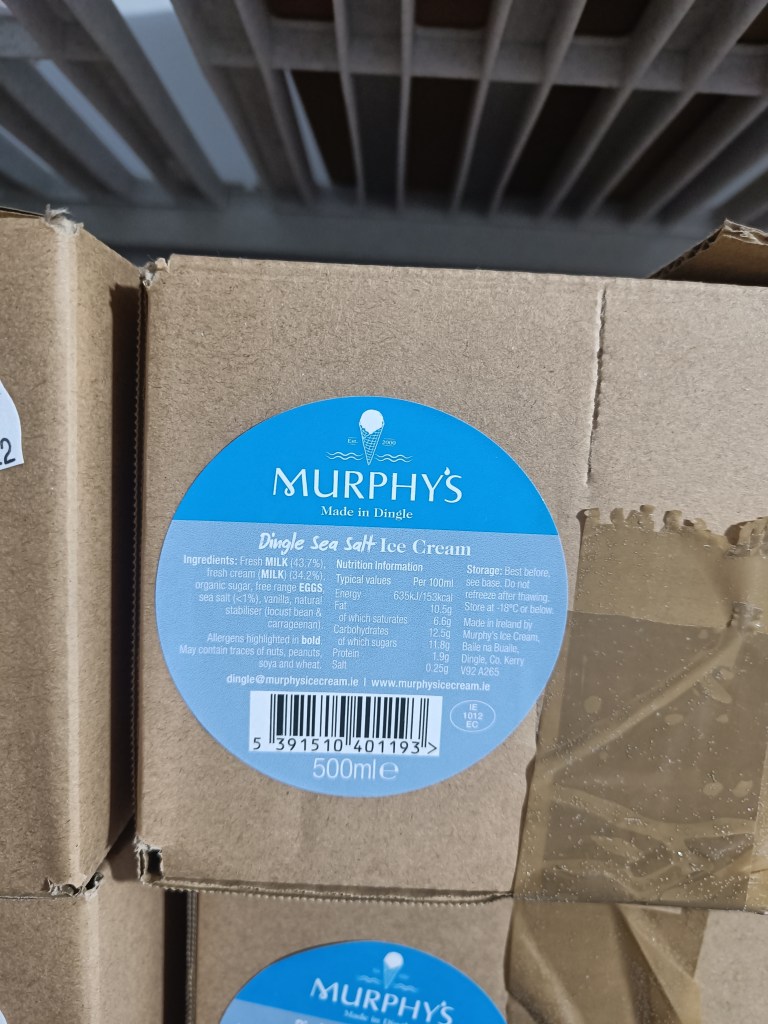
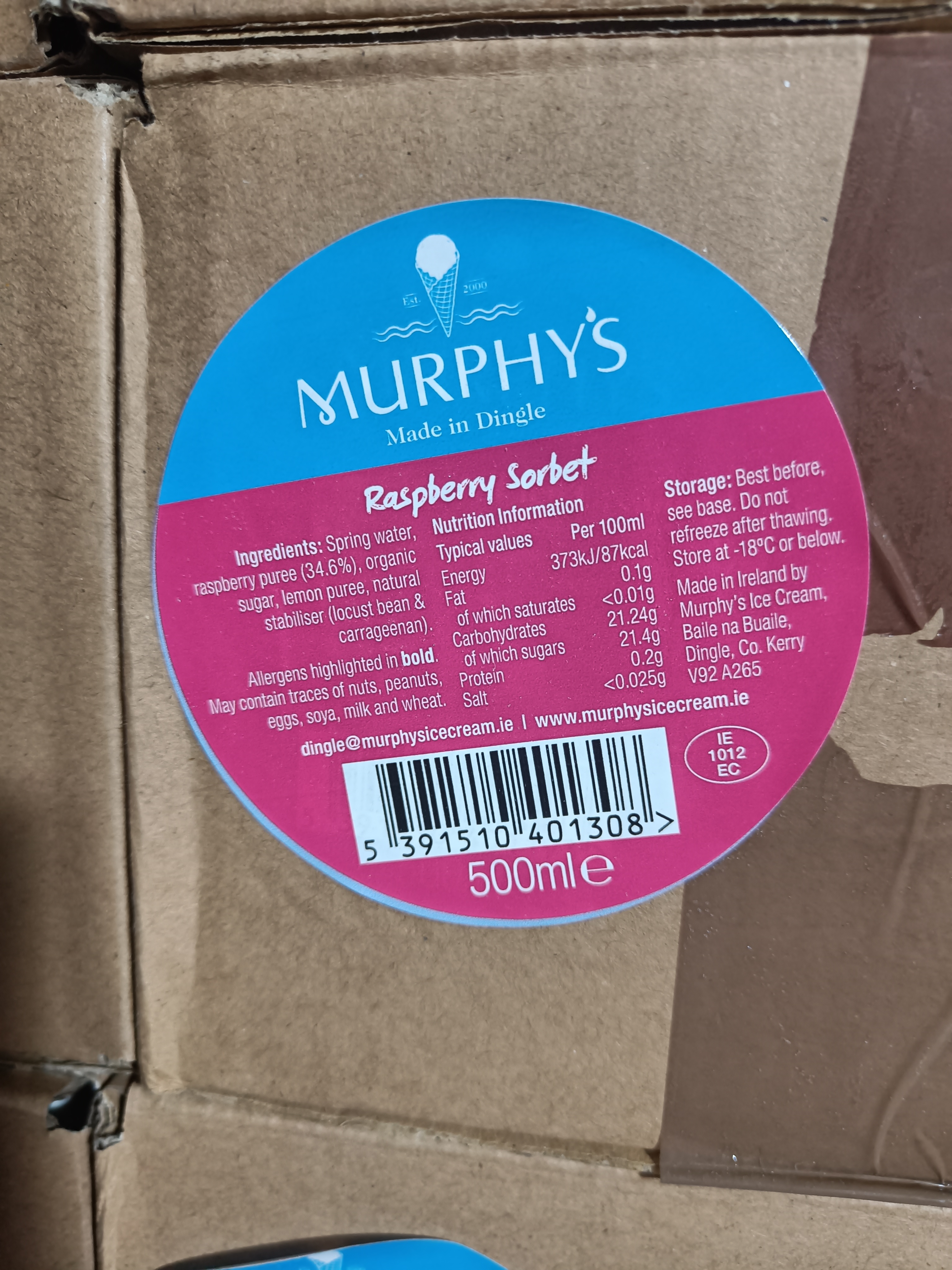



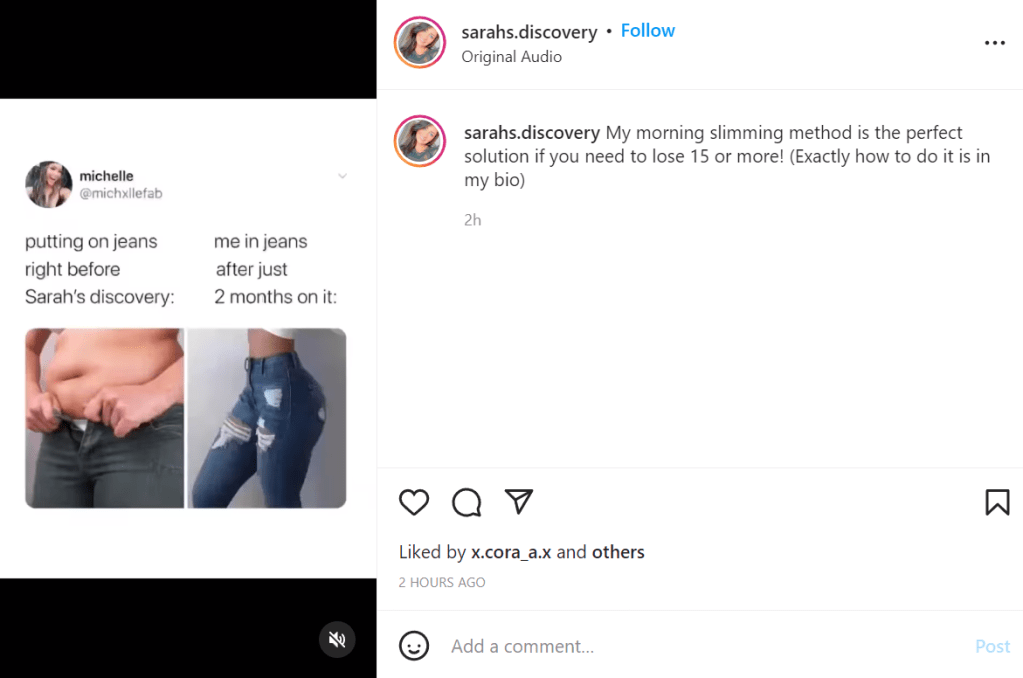
 NutritionWithMaidi